NativeMUSE™

1

The Problem with Conventional MSC Products

Most Stem Cell Products Are Not What They Started As.

The majority of Wharton’s jelly and bone marrow MSC products on the market today are expanded in culture. They pass through multiple generations, adapted to plastic surfaces, fed with media, and selected for cells that grow well in a dish — not necessarily cells that perform best in the body.
By the time a cultured MSC product reaches the clinic, it may bear little resemblance to the cell population it originated from. Passage-induced senescence, phenotypic drift, and culture-acquired changes can alter surface marker expression, secretome profile, and differentiation potential in ways that are difficult to characterize and harder to control.
NativeMUSE™ takes a different approach entirely.

What Is a MUSE Cell?

A Stem Cell Found in Nature. Preserved by Design.

MUSE cells — Multilineage Differentiating Stress Enduring cells — are a naturally occurring population of pluripotent-like stem cells residing within the stromal fraction of Wharton’s jelly in the umbilical cord. They are identified by co-expression of SSEA-3, a stage-specific embryonic antigen associated with pluripotency, and CD105, a mesenchymal marker.
What sets MUSE cells apart from other stem cell populations:
Pluripotent-Like Without the Risk

MUSE cells can differentiate into cells representative of all three germ layers — ectoderm, mesoderm, and endoderm — without forming teratomas. This distinguishes them fundamentally from iPSCs and embryonic stem cells, which carry tumor formation risk that has limited their clinical translation.

Stress-Responsive Homing

MUSE cells preferentially migrate to sites of tissue damage in response to sphingosine-1-phosphate (S1P) and other stress signals, suggesting a natural role in tissue repair that positions them well for regenerative applications.

Immune Privilege

Like other Wharton’s jelly-derived cells, MUSE cells express low levels of MHC class II and co-stimulatory molecules, supporting allogeneic use without HLA matching in many settings.
The NativeMUSE™ Difference

No Culture. No Compromise.

NativeMUSE™ is built on a single principle: the best version of a MUSE cell is the one that was never altered.

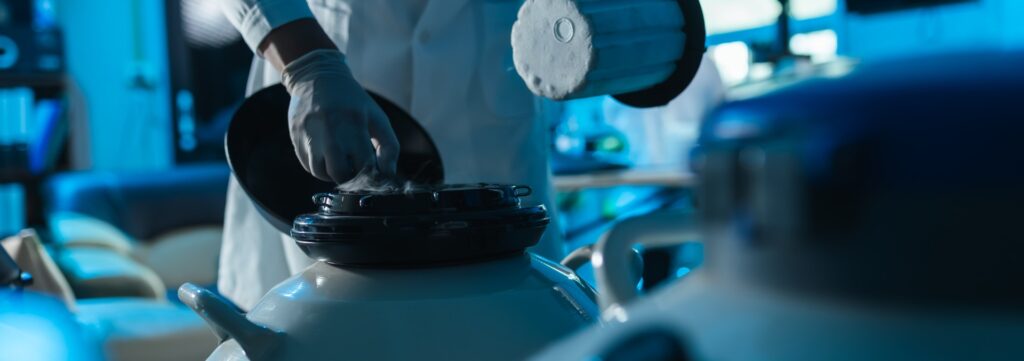
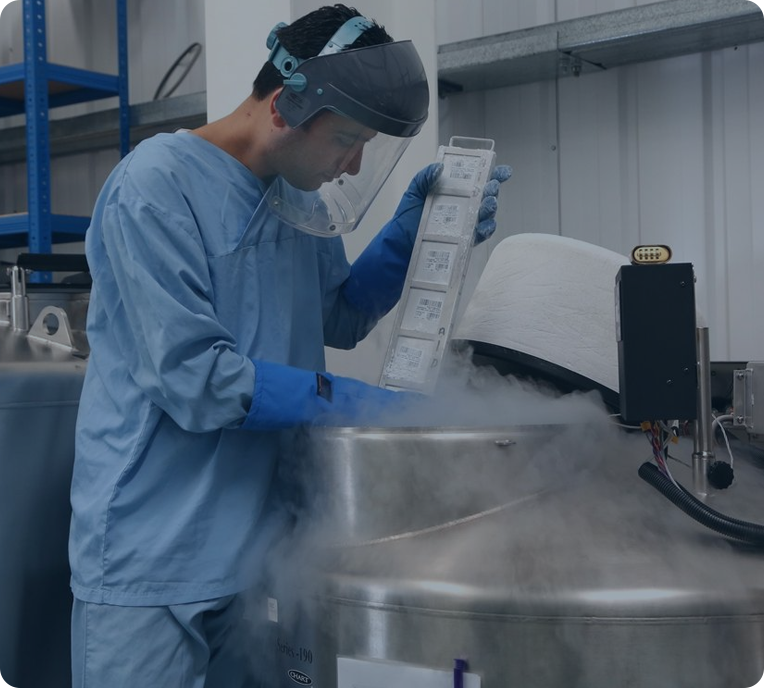
NativeMUSE™ is processed without culturing, expansion, or passage. The cells are isolated directly from Wharton’s jelly under cGMP conditions and cryopreserved, preserving the native phenotype and biological activity of the original tissue.
MUSE cells do not require genetic reprogramming or forced pluripotency induction. Their pluripotent-like capacity is intrinsic — making NativeMUSE™ a biologically safe pluripotent cell source with no teratoma risk documented in published research.
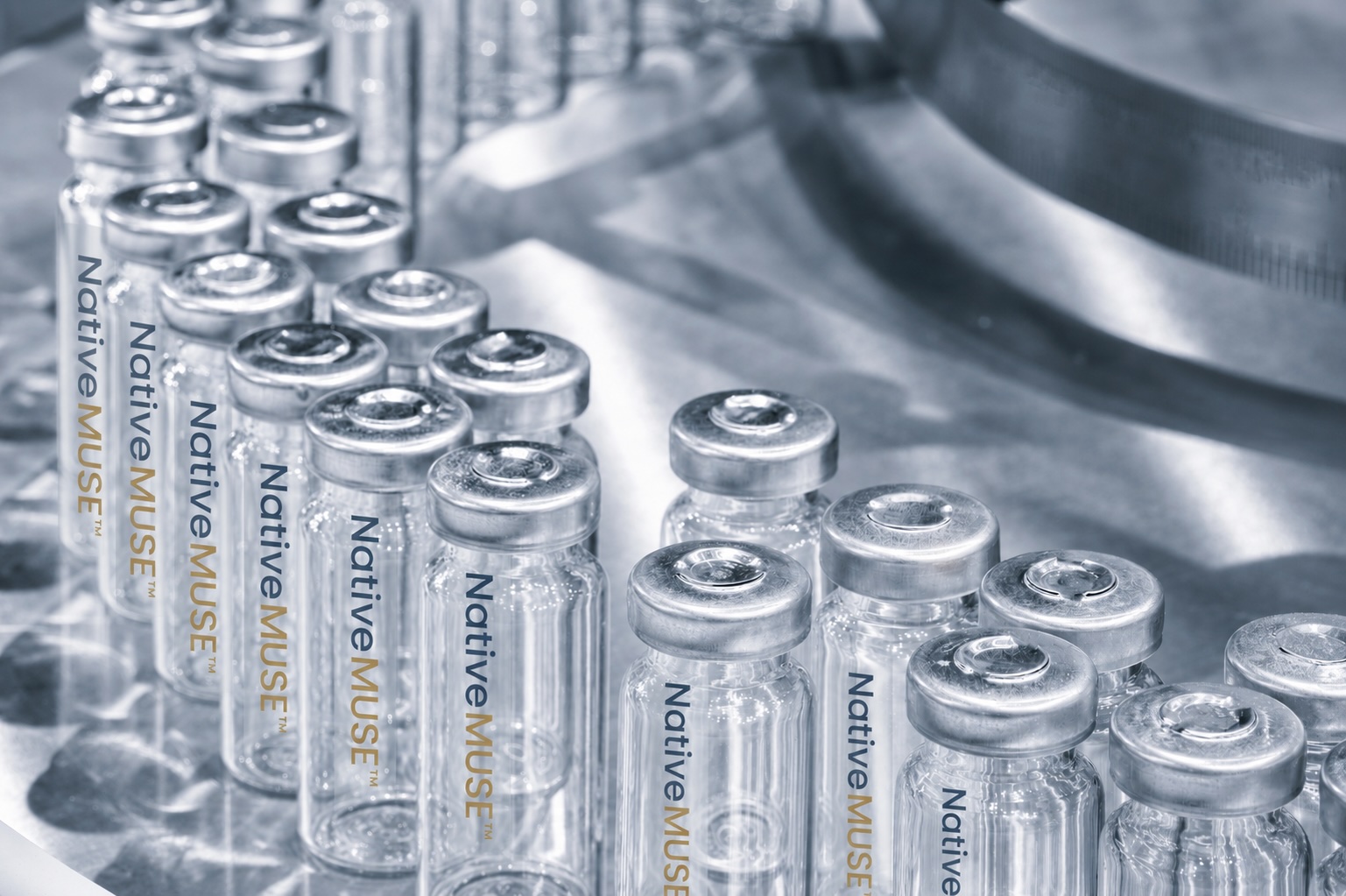
Every vial of NativeMUSE™ is processed in our cGMP-compliant Arizona facility, released against full QC criteria, and accompanied by a certificate of analysis. Chain-of-custody documentation is available for every unit.

Lorem ipsm Dolor Sit Amet

Duis aute irure dolor in reprehenderit in voluptate velit ani esse cillum dolore eu fugiat nulla pariatur.Duis aute irure dolor in reprehenderit in voluptate velit ani esse cillum dolore eu fugiat nulla pariatur.

Duis aute irure dolor in reprehenderit in voluptate velit ani esse cillum dolore eu fugiat nulla pariatur.Duis aute irure dolor in reprehenderit in voluptate velit ani esse cillum dolore eu fugiat nulla pariatur.

Ready to Add NativeMUSE™ to Your Practice?

Our team is ready to walk you through product documentation, regulatory support materials, and distribution terms. Reach out to begin the qualification process.
Product Specifications

NativeMUSE™ Product Profile

SOURCE TISSUE

Human umbilical cord Wharton’s jelly, full-term donation

CELL POPULATION

MUSE cells (SSEA-3+/CD105+) within stromal fraction

PROCESSING METHOD

Minimal manipulation — no culturing, no expansion

Documentation

Certificate of Analysis, chain-of-custody, handling protocol

CRYOPRESERVATIVE

Proprietary non-DMSO cryoprotectant

STORAGE

−86°C; do not refreeze

STERILITY

USP sterility tested per unit

Regulatory Classification

Minimally manipulated HCT/P per 21 CFR Part 1271

Clinical Rationale

Where NativeMUSE™ May Have the Greatest Impact

The published MUSE cell literature spans more than a decade of preclinical and clinical investigation. The following represent areas of active scientific interest aligned with NativeMUSE™’s mechanism of action.

Neurological Conditions

MUSE cells have demonstrated neural differentiation capacity and injury-site homing in ALS, stroke, and spinal cord injury models.

Kidney Disease

Published clinical data from Japan includes MUSE cell infusion in diabetic nephropathy patients with safety and functional signal outcomes.

Cardiovascular Repair

MUSE cells have shown cardiomyocyte differentiation potential and infarct-site migration in preclinical cardiac models.

Liver Disease

Hepatocyte-like differentiation has been documented in MUSE cell studies relevant to chronic liver conditions.

Orthopedic & Musculoskeletal

Mesenchymal lineage capacity supports potential application in cartilage, bone, and soft tissue repair.

Autoimmune & Inflammatory

Immune modulatory properties may support application in conditions driven by dysregulated immune activity.

NativeMUSE™ is supplied as a minimally manipulated HCT/P under 21 CFR Part 1271. Clinical applications are the responsibility of the licensed provider. Dux Bio does not make disease treatment claims.

CORD BLOOD MONONUCLEAR CELL

Interested In Dux Cord

Lorem Ipsum Pain Sit Amet, Consectetur Adipiscing Elite, According To Eiusm Incididunt Out Labor And Pain For Magna Aliqua.

Regulatory Positioning

Designed for Compliance from Day One.

NativeMUSE™ is processed as a minimally manipulated human cellular and tissue-based product (HCT/P) under 21 CFR Part 1271, which governs the recovery, processing, storage, labeling, and distribution of human cells and tissues. Under this framework, products that meet minimal manipulation and homologous use criteria do not require IND or BLA approval for clinical application by licensed providers.

Every element of NativeMUSE™ processing is designed with this regulatory classification in mind — from donor screening and tissue recovery through cGMP processing, release testing, and distribution. Full regulatory documentation is provided to qualified distribution partners upon execution of a distribution agreement.

Ordering & Distribution

Who Can Order NativeMUSE™?

Process Steps

Submit an inquiry

Use the form below or email medicalaffairs@duxbio.com

Complete qualification

Our team will verify licensure and facility requirements

Execute distribution agreement

Includes regulatory documentation, handling protocols, and CoA standards

Place your first order

NativeMUSE™ ships cryopreserved on dry ice with validated cold chain packaging

Scroll to Top