
Research
A Global Compilation of Peer-Reviewed Clinical Evidence
Disclaimer: Dux Bio presents these studies for informational purposes only. No claims are being made and cord blood is only approved by the FDA for certain malignancies and blood dyscrasias.
80+
30+
~50%
Introduction
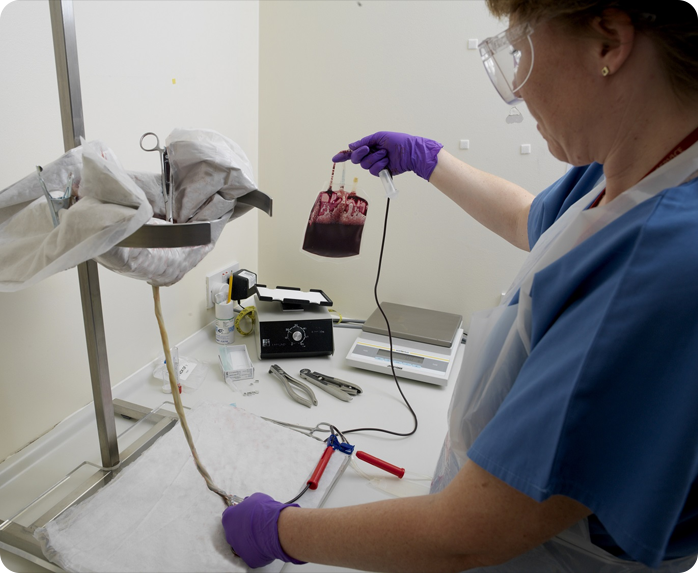
Umbilical cord blood (UCB) — the blood remaining in the umbilical cord and placenta after birth — is one of the richest and most ethically accessible sources of hematopoietic stem cells (HSCs) and mesenchymal stem cells (MSCs) in medicine. Since the world’s first UCB transplant in 1988, the field has expanded dramatically, with over 40,000 UCB transplants performed globally and an accelerating body of peer-reviewed evidence demonstrating therapeutic benefit across a remarkable spectrum of conditions.
Umbilical Cord Blood Peer Reviewed Research Publications
1. Hematologic Malignancies
UCB transplantation is an established, FDA-supported treatment for blood cancers, offering patients without matched donors a viable path to remission.
Leukemia & Lymphoma
UCB transplantation has become a cornerstone treatment for adult and pediatric patients with high-risk leukemia and lymphoma who lack matched bone marrow donors. Reported overall survival rates are 60–70% in pediatric recipients and 55–65% in adult recipients across malignant conditions.
- Phase 2 Trial — 96% One-Year Survival: 27 of 28 patients (96%) with leukemia and myelodysplastic syndrome survived at least one year following UCB transplant combined with a pooled cord blood stem cell product. None developed severe acute or chronic GVHD. (Milano et al., Journal of Clinical Oncology, April 2026; Fred Hutchinson Cancer Center)
- FDA Approval — Omidubicel: In April 2023, the FDA approved omidubicel, an expanded UCB-derived product for adult and pediatric patients with high-risk blood cancers. Omidubicel demonstrated superior engraftment speed and lower infection rates compared to conventional UCB transplant. (Duke Cancer Institute; FDA, 2023)
- Pediatric ALL: Long-term survival rates in pediatric acute lymphoblastic leukemia exceed 60–70% with lower chronic GVHD incidence compared to peripheral blood stem cell transplants. (Frontiers in Oncology, 2023)
Myelodysplastic Syndrome (MDS) & Aplastic Anemia
UCB transplantation has demonstrated efficacy in patients with MDS and aplastic anemia, including those who fail conventional immunosuppressive therapy. The tolerance for HLA mismatch expands donor availability to patients with rare HLA types who might otherwise have no options.
- Aplastic Anemia: UCB transplantation has been evaluated in multicenter studies for aplastic anemia, with outcomes continuing to improve as conditioning regimens are refined. (ClinicalTrials.gov NCT00008164; BMT CTN 0604)
2. Sickle Cell Disease & Thalassemia
Hemoglobinopathies represent a historic and ongoing success story for UCB transplantation, offering the potential for disease cure.
UCB transplantation offers the only widely available curative option for many patients with sickle cell disease (SCD) and thalassemia. A landmark multicenter analysis of 51 children receiving unrelated UCB transplants reported overall survival of 94% and disease-free survival of 50% for sickle cell disease.
- Sickle Cell Disease: Overall survival of 94% in pediatric patients receiving unrelated UCB transplants. Phase I trials of reduced-intensity conditioning with unrelated UCB further expanded eligibility. (Ruggeri et al., Biology of Blood and Marrow Transplantation, 2018; PMC3395002)
- Thalassemia: Overall survival of 62% and disease-free survival of 21% in thalassemia patients receiving unrelated UCB transplants. Outcomes improve significantly with cell dose >5 × 10⁷ nucleated cells/kg. (PMC3395002; Frontiers in Pediatrics, 2020)
- Cell Dose Threshold: Engraftment rate and disease-free survival were significantly higher when cell dose exceeded 5 × 10⁷ nucleated cells/kg, a critical parameter for clinical protocol design. (Frontiers in Pediatrics, PMC7567024)
3. Graft-Versus-Host Disease (GVHD) Prevention
One of UCB’s most clinically significant advantages is its substantially lower rate of GVHD compared to other stem cell sources.
GVHD is one of the most serious and life-limiting complications of allogeneic stem cell transplantation. UCB’s immunological naivety and the relative immaturity of its T cells translate directly into reduced GVHD incidence — without sacrificing graft-versus-leukemia (GVL) effects.
- Acute GVHD Rate: Median rates of acute GVHD following UCB transplantation are approximately 20–30%, compared to 40–50% for bone marrow or peripheral blood stem cell sources. (PMC12577836; Annals of Medicine and Surgery, 2025)
- Chronic GVHD Rate: Chronic GVHD occurs in approximately 10–20% of UCB recipients, substantially lower than rates with other stem cell sources. (PMC12577836)
- UCB-Derived Regulatory T Cells: Infusion of UCB-derived regulatory T cells (Tregs) reduced grade II–IV acute GVHD incidence to 9% at 100 days versus 45% in controls (p = 0.05). Chronic GVHD at 1 year was zero in the Tregs group versus 14% in controls. (Blood; Oncotarget, PMC6235025)
4. Cerebral Palsy
Multiple controlled clinical trials have demonstrated measurable motor improvement following UCB infusion in children with cerebral palsy.
Cerebral palsy (CP) represents one of the most actively studied non-hematologic applications of UCB. The neuroprotective and immunomodulatory properties of UCB cells are hypothesized to reduce neuroinflammation, support endogenous repair mechanisms, and improve motor function.
- Meta-Analysis — Motor Improvement: A systematic review and meta-analysis of 10 controlled clinical trials (621 patients) found that cord blood-treated participants showed average improvement in GMFM-66 motor skill scores of 1.36 at 6 months (p = 0.005) and 1.42 at 12 months (p = 0.012) compared to controls. (ScienceDirect, 2026; ParentsGuideCordBlood.org)
- UCB-MSC Superiority: An updated meta-analysis distinguished UCB infusions from UCB-derived mesenchymal stromal cell therapy, finding improved GMFM scores at 12 months particularly with MSC-based approaches. (ScienceDirect, 2026)
- Safety Profile: Across published trials, no serious adverse events definitely or probably related to allogeneic UCB infusion were reported, even with HLA mismatch and no immunosuppression. (Duke University; PMC5442708)
5. Autism Spectrum Disorder
Early-phase studies have confirmed the safety of UCB infusion for ASD; Phase II findings present a mixed but evolving picture.
Interest in UCB therapy for autism spectrum disorder (ASD) has grown substantially given the immune dysregulation observed in many affected children. Phase I studies confirmed feasibility and safety; Phase II results have been more nuanced.
- Phase I Safety Trial: Autologous cord blood infusions in young children with ASD were found safe and feasible, with no serious treatment-related adverse events. Some children showed improvements in social communication behaviors. (PMC5442708; Autism Research)
- Phase II Randomized Trial (Duke University): A randomized, placebo-controlled trial of 180 children (ages 2–7) found cord blood infusion was safe and well-tolerated. The primary outcome of social communication did not reach statistical significance, though secondary behavioral measures showed positive trends. (Journal of Pediatrics, 2020; DukeSpace)
- Ongoing Investigation: Researchers continue to investigate optimal dosing, timing, and patient selection criteria, with the hypothesis that children with specific immune signatures may be more responsive. (Psychiatrist.com)
6. Traumatic Brain Injury & Spinal Cord Injury
UCB cells demonstrate neuroprotective effects in preclinical TBI and SCI models, with early clinical data supporting translational development.
Neurological trauma represents a high-burden area with few effective regenerative treatments. UCB cells — through secretion of trophic factors, cytokines, and neuroprotective molecules — have shown compelling effects in animal models and early human studies.
- Traumatic Brain Injury: Intravenous administration of human UCB cells 24 hours post-TBI in rat models significantly reduced motor and neurological deficits by day 28. Cells preferentially migrated to injured brain tissue and expressed neuronal markers. (PubMed 12075993)
- Spinal Cord Injury: UCB cells administered 5 days post-SCI in rodent models produced significant improvement in open-field test scores versus untreated injured groups. Cells were observed in injured spinal cord regions, consistent with active participation in healing. (PMC10529013; PubMed 12857368)
- Mechanism: UCB-derived MSCs promote functional recovery by producing trophic factors, cytokines, and neuroprotective factors; enhancing endogenous cell proliferation; and supporting oligogenesis (myelin repair). (Wiley BioMed Research International, 2012)
- Fracture Healing Clinical Trial: A clinical study (NCT04997590) evaluated UCB mononuclear cells for traumatic fracture healing, reflecting growing interest in applying UCB to musculoskeletal trauma beyond neurological injury. (ClinicalTrials.gov)
7. Alzheimer's & Parkinson's Disease
UCB cells and UCB plasma have demonstrated immunomodulatory and neuroprotective effects in models of neurodegenerative disease.
Alzheimer’s disease (AD) and Parkinson’s disease (PD) represent enormous unmet medical needs. UCB cells — particularly through their immunomodulatory actions and the bioactive factors present in UCB plasma — have demonstrated measurable effects in preclinical disease models.
- Alzheimer’s Disease: Injection of a specific UCB-derived cell fraction produced beneficial functional improvement in an AD mouse model. UCB plasma — high in IL-8 and VEGF — may support blood-brain barrier repair in AD patients. (PMC5822723; PMC6237605)
- Parkinson’s Disease: Human UCB mononuclear cells significantly delayed symptom onset and death in PD mouse models (p < 0.001 vs. controls), with greater effect than congenic bone marrow cells. (PubMed 12939116; Rutgers University)
- Broad Neuroprotection: UCB cells have demonstrated immunomodulatory and neuroprotective benefits in animal models of AD, PD, ALS, TBI, SCI, and stroke, making them one of the most versatile neuroprotective agents under investigation. (Frontiers in Pharmacology, 2017)
- UCB Plasma as Therapeutic Agent: UCB plasma contains factors associated with tissue repair and neuroprotection and is being investigated as a standalone or adjunct treatment for neurodegenerative diseases. Multiple patents have been filed covering its use for AD, PD, MS, ischemia, and TBI. (PMC6237605)
8. Autoimmune Diseases
UCB-derived MSCs’ immunomodulatory properties make them a compelling therapeutic candidate across a wide range of autoimmune conditions.
Autoimmune diseases arise from aberrant immune activation against the body’s own tissues. UCB-derived MSCs suppress excessive immune responses through multiple mechanisms including inflammasome inhibition, T-cell regulation, and cytokine modulation — without broadly suppressing immune function.
Rheumatoid Arthritis
- Phase Ia Clinical Trial: Patients with active rheumatoid arthritis receiving a single IV infusion of UCB-derived MSCs experienced significant improvements in disease activity and physical function versus placebo. (ResearchGate; NCT; Stem Cell Research & Therapy, 2022)
- T Helper 17 Regulation: In vitro co-culture studies demonstrated that allogeneic UCB-MSCs regulate Th17 cell function from RA patients, providing a mechanistic basis for observed clinical improvements. (PMC3551778)
Systemic Lupus Erythematosus
- B Cell Immunomodulation: UCB MSC secretome significantly modulated B lymphocyte function in lupus patients, with secretory factors reducing pathological immune activity. (PMC11641460)
- Multi-Disease Evidence: MSC transplantation has shown significant improvements in autoimmune cerebrospinal meningitis, glomerulonephritis, and SLE in published studies. (Stem Cell Research & Therapy, 2022; BioMed Central)
Multiple Sclerosis
Small early-phase trials of UCB-derived MSCs in multiple sclerosis have demonstrated safety and preliminary efficacy signals including reduced relapse rates and improved functional scores. UCB plasma’s role in blood-brain barrier repair is of particular interest in MS, where barrier disruption drives disease progression.
- Phase I MS Trial — Intracerebral Delivery: A Phase I MS trial using a 30G intracerebral delivery approach reported no treatment-related deaths or serious adverse events over 12 months, with recovered cells retaining normal growth and differentiation capacity. (R3 Medical Research; Frontiers in Cell and Developmental Biology, 2026)
9. Orthopedic Conditions & Cartilage Regeneration
UCB-MSCs have produced durable cartilage regeneration in osteoarthritis patients, with clinical evidence now extending to 7-year follow-up.
Osteoarthritis and cartilage defects represent a major global burden. UCB-derived MSCs’ multipotent differentiation capacity and immunomodulatory properties make them excellent candidates for cartilage repair, bone regeneration, and joint restoration.
- 7-Year Follow-Up — Cartilage Regeneration: A landmark clinical trial of UCB-derived MSCs combined with hyaluronate hydrogel for osteoarthritic knee cartilage defects showed improved clinical scores at 24 weeks maintained over 7 years of follow-up. Histology at 1 year confirmed hyaline-like cartilage; MRI at 3 years showed cartilage persistence. Only 5 mild-to-moderate adverse events were observed; no osteogenesis or tumorigenesis over 7 years. (PubMed 28191757; PMC5442809; Medicine Journal 2025)
- UCB-MSC vs. Bone Marrow Aspirate: A systematic review and meta-analysis found UCB-MSC methods more effective than bone marrow aspirate concentrate (BMAC) for cartilage regenerative treatment in medial unicompartmental knee osteoarthritis, while both improved clinical conditions. (PMC10059261)
- High Tibial Osteotomy Combination: UCB-derived MSCs combined with hyaluronate and high tibial osteotomy improved clinical outcome and joint space width in medial knee OA with full-thickness cartilage defects. (MDPI, Medicina; ScienceDirect, 2021)
- Safety Advantages: UCB-MSCs’ noninvasive collection, abundance, and ease of preservation make them superior to autologous sources that require painful harvest procedures. (PMC11813059)
10. Cardiovascular Disease
UCB-derived cells have demonstrated significant cardiac functional improvement in heart failure trials and promising results in myocardial infarction and stroke research.
Cardiovascular disease remains the leading cause of death globally. UCB cells promote neovascularization, reduce inflammatory remodeling, and support myocardial repair through multiple paracrine mechanisms.
- Heart Failure — 50% vs. 7% LVEF Recovery: In a published clinical study, 50% of patients receiving UCB-derived MSCs showed recovery of left ventricular ejection fraction (LVEF) at 12 months, compared to 7.1% in the placebo group, with significant improvements at 3, 6, and 12 months. (Circulation Research, AHA Journals)
- Phase II Trial — University of Louisville: The first IV delivery clinical trial for UCB stem cells in chronic heart failure is underway at the University of Louisville, establishing a new non-invasive delivery paradigm. (Cells4Life, 2024)
- Myocardial Infarction: Intracoronary administration of UCB mononuclear or CD34+ cells improved cardiac function post-MI by inducing neovascularization and retarding left ventricular remodeling. Transplantation of UCB-derived cellular fractions improved left ventricular function and remodeling after myocardial ischemia/reperfusion. (Circulation Research, AHA Journals; PMC4416353)
- Ischemic Stroke — Phase I Safety: A Phase I safety study of allogeneic UCB infusion for ischemic stroke demonstrated an acceptable safety profile, with ongoing Phase II trials evaluating efficacy. (PubMed 29752869; ClinicalTrials.gov NCT03004976)
11. Diabetes Mellitus
UCB therapies have demonstrated beta-cell preservation in Type 1 diabetes and metabolic improvements in Type 2 diabetes across multiple clinical studies.
Diabetes affects hundreds of millions globally. UCB-derived MSCs offer both immunomodulatory potential (relevant for Type 1, an autoimmune disease) and regenerative capacity for pancreatic beta cells, making them a dual-action candidate for both major diabetes subtypes.
- Type 1 Diabetes — Beta Cell Preservation: Clinical application of UCB-derived MSCs preserved beta cell function in Type 1 diabetes patients, with measurable retention of endogenous insulin production. (PubMed 37950618)
- Autologous UCB Infusion — Phase I: A Phase I open-label study of autologous UCB infusion in 15 young children with Type 1 diabetes found no infusion-related adverse events and a favorable 1-year safety profile. (Diabetes Care, ADA; PMC2768209)
- Meta-Analysis — Types 1 & 2: A 2024 meta-analysis of randomized controlled trials from PubMed, Cochrane, WOS, Embase, and Scopus databases concluded that UCB-derived MSC therapy shows safety and efficacy for both Type 1 and Type 2 diabetes management. (Expert Review of Endocrinology & Metabolism, 2025; PMC7667841)
12. Liver Disease & Kidney Disease
UCB cells and exosomes attenuate fibrosis and promote regeneration in the liver and kidneys, with clinical trials underway for liver cirrhosis.
Liver Disease
Chronic liver disease and cirrhosis represent major global health burdens with limited treatment options short of transplant. UCB-derived cells and exosomes have demonstrated antifibrotic and hepatoprotective effects.
- Liver Fibrosis Reversal: UCB-derived MSCs attenuate liver fibrosis and stimulate hepatocyte regeneration in chronic liver injury models. UCB-derived exosomes improved liver function and increased matrix metalloproteinase/TIMP activity to reduce fibrosis degree. (PMC8588641; Bentham Science)
- Exosomal Therapy — Acute Injury: UCB plasma-derived exosomes reduced liver necrosis, lipid peroxidation, and apoptosis in acute liver injury mouse models, with miR-410-3p identified as the active molecular mediator. (PMC12375691)
- Clinical Trial — Liver Cirrhosis: A registered clinical study (NCT01942915) evaluated the safety and efficacy of UCB mononuclear cell transplantation in liver cirrhosis patients, following promising animal model results. (ClinicalTrials.gov)
Kidney Disease
UCB-derived MSCs attenuate renal fibrosis via TGF-β/Smad signaling pathways in both in vivo and in vitro models. Clinical trials have been initiated for acute kidney injury, polycystic kidney disease, and kidney transplantation support with MSCs.
- Renal Fibrosis: Human UCB-derived MSCs significantly reduced renal fibrosis progression via modulation of TGF-β/Smad pathways, a critical mechanism in chronic kidney disease. (ScienceDirect; PMC12577836)
13. COVID-19 & Long COVID
UCB-derived cell therapies have entered clinical trials for severe COVID-19 pneumonia and post-COVID syndrome, leveraging their potent immunomodulatory mechanisms.
The COVID-19 pandemic accelerated interest in UCB-derived MSCs as modulators of the cytokine storm and persistent immune dysregulation that characterize severe disease and long COVID. UCB-MSCs leverage immune reprogramming, inflammasome inhibition, and intercellular communication to address the pathological immune hyperactivation underlying both conditions.
- Severe COVID-19 Pneumonia: UC-MSCs demonstrated efficacy in COVID-19 ARDS through mechanisms including immune reprogramming, inflammasome inhibition, and paracrine intercellular communication. (Frontiers in Immunology, 2025; PMC8170427)
- REGENECYTE — Phase IIa Long COVID Trial: REGENECYTE, a cord blood-derived hematopoietic progenitor cell product containing CD34+, CD133+ cells, and monocytes, entered a Phase IIa randomized, placebo-controlled trial for post-COVID syndrome, targeting the persistent immune activation and proinflammatory signaling that characterize long COVID. (ScienceDirect, 2025)
- Inflammation Modulation: Long COVID is characterized by persistent upregulation of JAK-STAT, IL-6, complement, and T cell exhaustion pathways beyond 180 days post-infection — precisely the pathways targeted by UCB-MSC immunomodulation. (Nature Immunology, 2025)
14. Wound Healing & Skin Regeneration
UCB-MSC conditioned media and exosomes contain a potent secretome of growth factors that accelerate wound closure and support skin rejuvenation.
UCB-derived cells have emerged as a significant area of interest in dermatology and regenerative aesthetics. Unlike adult stem cells, UCB cells are biologically young, untouched by environmental damage, and rich in growth factors that drive tissue repair.
- Growth Factor Secretome: UCB-MSC conditioned media contains EGF, VEGF, FGF, PDGF, HGF, and GDF-11 — growth factors that encourage new blood vessel formation, reduce inflammation, and accelerate cell migration critical for wound healing and skin renewal. (PMC6205340; Cells4Life, 2023)
- Skin Rejuvenation — Clinical Evidence: Topical treatment with UCB-MSC conditioned media showed significant anti-wrinkle effects and increased dermal density in women in controlled studies. A double-blinded, randomized, split-face trial demonstrated accelerated recovery following laser treatment. (PubMed 30417126; PubMed 31328871)
- Diabetic Wound Healing: UCB-derived MSCs accelerated wound closure in diabetic wound models and promoted expression of anti-scarring factors. (Americord Registry; Nature npj Regenerative Medicine, 2024)
- Exosomes in Wound Healing: A 2025 study demonstrated that exosomes derived from UCB-MSCs significantly enhance wound healing, representing a next-generation cell-free therapeutic approach. (PMC; 2025)
- Anti-Aging Mechanism: UCB-derived MSCs ameliorated skin aging through autophagy-mediated anti-senescent mechanisms, reducing markers of cellular senescence in aged skin models. (PubMed 35864432)
Why Umbilical Cord Blood?
The breadth of evidence compiled in this document reflects a fundamental set of biological advantages that UCB holds over other stem cell sources:
- Immunological Naivety: UCB T cells are less mature than adult T cells, resulting in significantly lower rates of GVHD while preserving graft-versus-tumor effects.
- HLA Mismatch Tolerance: UCB can be used with greater HLA mismatch than bone marrow, dramatically expanding the pool of eligible patients, especially those from underrepresented ethnic groups.
- Immediate Availability: Banked UCB units are ready for immediate use — a critical advantage over bone marrow registries where donor availability and timing can be unpredictable.
- Ethical Accessibility: UCB is collected non-invasively from material that would otherwise be discarded, raising no ethical concerns associated with other stem cell sources.
- Potent Immunomodulation: UCB-derived MSCs suppress excessive immune responses through multiple pathways — T-cell regulation, inflammasome inhibition, cytokine modulation — giving them therapeutic reach across autoimmune, inflammatory, and degenerative conditions.
- Paracrine Mechanisms: Much of UCB’s therapeutic effect occurs through paracrine signaling: the release of growth factors, exosomes, and cytokines that stimulate local repair without requiring cellular engraftment.
MUSE STEM CELL RESEARCH PUBLICATIONS
Interested In NativeMUSE
MUSE Stem Cell Peer Reviewed Research Studies
ACUTE MYOCARDIAL INFARCTION
ACUTE MYOCARDIAL INFARCTION
First-in-Human Safety & Efficacy of a Muse Cell-Based Product in STEMI
Source: PubMed | PMID 32522904 | DOI 10.1253/circj.CJ-20-0307
Product | CL2020 (allogeneic, bone-marrow-derived Muse cell product; Life Science Institute, Japan) |
Design | First-in-human, open-label, single-arm; single IV infusion, no immunosuppression |
Population | 3 STEMI patients with LVEF ≤45% after successful primary PCI |
Dosing | 1.5×10⁷ cells, single IV dose |
BACKGROUND & RATIONALE
Multilineage-differentiating stress-enduring (Muse) cells are endogenous pluripotent-like stem cells identified within the bone-marrow mesenchymal stem cell (MSC) fraction as cells positive for the pluripotency marker SSEA-3. ST-elevation myocardial infarction (STEMI) causes extensive, largely irreversible cardiomyocyte loss, and even successful percutaneous coronary intervention (PCI) leaves many patients with a persistently reduced left ventricular ejection fraction (LVEF) and elevated long-term heart-failure risk. Because Muse cells are reported to home selectively to injured tissue via a sphingosine-1-phosphate (S1P) signaling axis and to be usable allogeneically without HLA matching or immunosuppression, the authors designed this first-in-human study to test whether a single intravenous dose of the clinical-grade Muse cell product CL2020 could be safely administered to STEMI patients and whether it showed any early signal of functional cardiac benefit.
STUDY DESIGN & METHODS
This was an open-label, single-arm, first-in-human study conducted in three STEMI patients whose LVEF remained ≤45% despite successful primary PCI. Each patient received a single intravenous infusion of 1.5×10⁷ CL2020 cells with no HLA matching and no immunosuppressive therapy. Patients were followed for 12 weeks, with LVEF and wall motion score index (WMSI) assessed as the primary measures of cardiac structural/functional recovery, alongside general safety monitoring for adverse drug reactions.
KEY FINDINGS
- No adverse drug reactions were reported in any of the three patients over the 12-week observation period.
- LVEF was markedly improved from baseline at follow-up in all patients, consistent with a treatment-associated recovery signal.
- Wall motion score index (WMSI) was likewise markedly improved, indicating recovery of regional contractile function in the infarct-affected myocardial segments.
- The trial established feasibility of unmatched, immunosuppression-free allogeneic Muse cell IV dosing in a cardiac population, setting the stage for the larger AMI trials (JapicCTI-183834, JapicCTI-195067) that followed.
DISCUSSION & LIMITATIONS
As a first-in-human report in only three patients, this study is explicitly a preliminary safety/feasibility signal rather than a powered efficacy trial — there is no control arm, no statistical testing, and no blinding, so the observed LVEF and WMSI improvements, while encouraging, cannot be separated from natural post-PCI recovery. The abstract itself is brief (published as a short report), and the absence of a comparator group is the central limitation to keep in mind before using this study to support efficacy claims. Its main value is as the founding human safety data point for unmatched, immunosuppression-free Muse cell dosing — a design feature (avoiding HLA matching and immunosuppressants) that later, larger CL2020 trials in stroke, spinal cord injury, and ALS all carried forward.
ACUTE MYOCARDIAL INFARCTION – BIOMARKER STUDY
ACUTE MYOCARDIAL INFARCTION – BIOMARKER STUDY
Endogenous Muse Cell Mobilization Predicts Cardiac Recovery After AMI
Source: PubMed | PMID 28931784 | DOI 10.1253/circj.CJ-17-0552
Product | Endogenous (non-administered) Muse cells; observational study — no cell product given |
Design | Prospective observational cohort with case-control comparison |
Population | 79 AMI patients, 44 patients with coronary artery disease (CAD), and 64 normal controls |
Dosing | Not applicable — endogenous circulating Muse cell counts were measured, not administered |
BACKGROUND & RATIONALE
Muse cells are known to reside in bone marrow and connective tissue and to be constitutively mobilized into peripheral blood in small numbers, migrating toward injured tissue along a sphingosine-1-phosphate (S1P) gradient produced by damaged cells. Rather than testing a therapeutic infusion, this study asked a mechanistic question: does the body’s own endogenous Muse cell mobilization response after acute myocardial infarction (AMI) correlate with, and predict, later cardiac recovery? Answering this helps validate the S1P-homing mechanism that underlies the rationale for exogenous Muse cell therapy.
STUDY DESIGN & METHODS
Investigators used fluorescence-activated cell sorting (FACS) to quantify circulating Muse cells (SSEA-3+/CD105+) in the peripheral blood of 79 AMI patients, 44 CAD patients, and 64 normal controls. In the AMI group, Muse cell counts were tracked serially on days 0, 1, 7, 14, and 21 after the event. Plasma sphingosine-1-phosphate (S1P) levels were measured in parallel. Cardiac function and remodeling were assessed by echocardiography in the acute phase (within 7 days) and again in the chronic phase (6 months) post-AMI.
KEY FINDINGS
- Circulating Muse cell counts on day 1 were significantly higher in the AMI group (276±137 cells/100µL) than in the CAD (167±89) or normal control (164±125) groups.
- Muse cell numbers peaked on day 1 after AMI and gradually declined by day 21, tracing a classic acute mobilization-and-resolution curve.
- Circulating Muse cell counts correlated positively with plasma S1P levels, directly supporting the proposed S1P-driven homing/mobilization mechanism.
- Patients with a larger rise in circulating Muse cells in the acute phase went on to show significantly better LV function and less adverse remodeling at 6 months than those with a smaller rise.
DISCUSSION & LIMITATIONS
This is a purely observational, non-interventional study — no Muse cell product was administered, so it cannot speak to the safety or efficacy of a therapeutic infusion. Its contribution is mechanistic and prognostic: it shows that the magnitude of a patient’s own endogenous Muse cell response to AMI is an independent correlate of longer-term cardiac outcome, and it directly demonstrates the S1P-mobilization relationship that is cited as the rationale for why exogenously infused Muse cells would be expected to home to infarcted tissue. As a case-control design without randomization, it is subject to the usual confounding risks of observational cardiology cohorts (e.g., unmeasured differences in infarct size or treatment timing between groups), and no causal claim should be drawn about raising Muse cell counts artificially producing the same benefit.
DYSTROPHIC EPIDERMOLYSIS BULLOSA
DYSTROPHIC EPIDERMOLYSIS BULLOSA
Intravenous Allogeneic Muse Cells in Adults with Dystrophic EB: Open-Label Pilot Study
Source: PubMed | PMID 33656198 | DOI 10.1111/jdv.17201
Product | CL2020 (allogeneic Muse cell-based product; Life Science Institute, Japan) |
Design | Open-label, non-randomized, single-arm, non-controlled pilot study (JapicCTI-184563) |
Population | 5 adults (1 male, 4 female; ages 17–49) with dystrophic epidermolysis bullosa and 13 total refractory/recurrent skin ulcers (≥4 weeks duration) across two institutions |
Dosing | Single IV infusion, 1.5×10⁷ cells (2.98±0.61×10⁵ cells/kg), followed for 52 weeks |
BACKGROUND & RATIONALE
Dystrophic epidermolysis bullosa (DEB) is a genodermatosis caused by mutations affecting basement-membrane-zone (BMZ) proteins, producing chronic, recurrent skin blistering and ulceration with no curative treatment. Allogeneic cell infusion is an attractive strategy because donor cells carry intact BMZ genes. The authors had previously shown that human Muse cells (the SSEA-3+ pluripotent-like subpopulation of bone-marrow MSCs) can differentiate into epidermal keratinocytes expressing human BMZ proteins in vitro, and CL2020 had already shown safety/efficacy signals in acute myocardial infarction. This pilot study tested whether a single IV infusion of CL2020 could reduce ulcer burden in adults with DEB.
STUDY DESIGN & METHODS
Five adult DEB patients with 13 selected refractory ulcers received a single IV infusion of CL2020 and were followed for 52 weeks. The primary efficacy measure was the percentage reduction in selected ulcer size per patient over time; secondary measures included visual analog scores (VAS) for pain and itch, quality of life, and routine blood chemistry. One recessive DEB patient underwent a skin biopsy at week 4 for immunofluorescence and electron-microscopic analysis of collagen VII and anchoring fibrils.
KEY FINDINGS
- All reported adverse effects were mild or self-limiting (e.g., Grade 1–3 stomach pain, acquired lacrimal stricture, fever, gastroenteritis, upper respiratory infection, transient paraesthesia); one case of paraesthesia within 24 hours, resolving in 14 days, was judged possibly CL2020-related.
- Two of five patients showed a >50% reduction in ulcer size at week 4; the average reduction across all patients at week 4 was 46.3% (95% CI, −13.6 to 106.2%).
- Total selected-ulcer area decreased significantly by week 4 (−9.98 cm², 95% CI −17.87 to −2.09; p=0.017), though the improvement trended back toward baseline by week 12.
- Pain VAS scores improved significantly and early (p=0.003 at week 2); itch and quality-of-life scores did not show clear improvement.
- Liver enzyme abnormalities, likely reflecting chronic inflammation, improved after infusion in two patients.
- Skin biopsy in one recessive DEB patient at week 4 showed no measurable increase in type VII collagen fluorescence intensity or anchoring fibril density.
DISCUSSION & LIMITATIONS
The authors are explicit about this study’s limitations: the single low-cell-number infusion may have constrained efficacy; enrolled ulcers skewed toward smaller sizes and three of five patients had dominant (typically milder) DEB, which may have influenced endpoint results independent of treatment; only one biopsy was performed, limiting histological conclusions; and no pediatric patients were studied despite DEB’s frequent childhood onset. The lack of sustained ulcer improvement beyond week 8–12, combined with the absence of a detectable increase in type VII collagen or anchoring fibrils on biopsy, means the mechanism of any clinical benefit remains unproven — it may reflect anti-inflammatory/paracrine effects rather than durable skin-structural regeneration. The authors themselves frame the results as showing tolerability and a ‘potentially promising’ signal rather than established efficacy. Two of the authors and the funding sponsor (Life Science Institute) have disclosed financial relationships (patents, advisory fees, research funding) relevant to interpreting the study.
NEONATAL HYPOXIC-ISCHEMIC ENCEPHALOPATHY – TRIAL PROTOCOL
NEONATAL HYPOXIC-ISCHEMIC ENCEPHALOPATHY – TRIAL PROTOCOL
SHIELD Trial Protocol: Muse Cell-Based Product with Therapeutic Hypothermia in Neonatal HIE
Source: PubMed | PMID 35473726 | DOI 10.1136/bmjopen-2021-057073
Product | CL2020 (allogeneic Muse cell-based product; Life Science Institute, Japan) |
Design | Single-center, open-label, non-randomized, 3+3 dose-escalation protocol (NCT04261335 / jRCT2043190112) |
Population | Planned enrollment of up to 12 neonates with moderate-to-severe HIE receiving standard therapeutic hypothermia (33–34°C for 72 hours) |
Dosing | Low-dose cohort 1.5×10⁶ cells vs. high-dose cohort 1.5×10⁷ cells, single IV injection between 5 and 14 days of age |
BACKGROUND & RATIONALE
Neonatal hypoxic-ischemic encephalopathy (HIE) affects roughly 1.5 per 1,000 live births and is a leading cause of neonatal death and cerebral palsy, with birth asphyxia responsible for an estimated 23% of global neonatal deaths. Therapeutic hypothermia is the only evidence-based treatment, but its effect is limited — the number needed to treat to prevent one death or severe disability is 9. Prior regenerative approaches using autologous umbilical cord blood cells (UCBCs) require well-equipped birth-center infrastructure to process cells in real time, limiting feasibility. Muse cells, by contrast, can be manufactured and frozen in advance as an allogeneic, HLA-unmatched product (CL2020), and preclinical rat HIE studies had already shown that systemic Muse cell administration improved learning and motor deficits more clearly than mesenchymal stem cells lacking the Muse subpopulation. This protocol describes the first planned clinical trial of any Muse cell product in neonates.
STUDY DESIGN & METHODS
SHIELD is a single-center, open-label, non-randomized, dose-escalation trial using a standard 3+3 design to identify a tolerable dose. Eligible neonates (≥36 weeks gestation, meeting hypothermia-induction criteria such as Apgar ≤5 at 10 minutes, need for prolonged resuscitation, or cord/blood gas pH <7.0) receive a single IV injection of CL2020 between 5 and 14 days of age, after standard 72-hour hypothermia. The primary outcome is occurrence of any adverse event within 12 weeks of administration. Key secondary outcomes are the Bayley Scales of Infant and Toddler Development (3rd edition) and the Kyoto Scale of Psychological Development 2001 developmental quotient, both assessed at 78 weeks. A Data Safety Monitoring Board reviews safety data after the 1st and 3rd patient in each dose cohort before allowing dose escalation or further enrollment.
KEY FINDINGS
- This is the first registered clinical trial protocol evaluating any Muse cell product in the neonatal population.
- Trial design explicitly layers CL2020 on top of — not in place of — standard-of-care therapeutic hypothermia.
- Dose selection (1.5M low-dose / 15M high-dose) was derived from the adult CL2020 dosing experience in AMI, stroke, and epidermolysis bullosa trials, scaled via a 3+3 escalation design for the neonatal population.
- The protocol pre-specifies an 18-month neurodevelopmental follow-up horizon (78 weeks post-dose) as the efficacy-relevant secondary endpoint window, even though the primary endpoint is safety only.
DISCUSSION & LIMITATIONS
As a protocol paper, this publication reports no clinical outcomes — it exists to pre-register the trial design, and its ‘results’ are the subsequent SHIELD trial report (Sato et al., 2024, summarized separately). The authors themselves list the central limitation up front: this is a safety and tolerability study only, not powered to demonstrate efficacy, and further investigation (i.e., a randomized controlled trial) would be needed to confirm both safety and efficacy signals seen here. The value of this document for regulatory or IRB purposes is primarily as a template for how a dose-escalation cell-therapy protocol layered on an existing standard of care can be structured and justified to a regulator (in this case, Japan’s PMDA-aligned framework via jRCT registration).
NEONATAL HYPOXIC-ISCHEMIC ENCEPHALOPATHY – TRIAL RESULTS
NEONATAL HYPOXIC-ISCHEMIC ENCEPHALOPATHY – TRIAL RESULTS
SHIELD Trial: Safety & Tolerability of Muse Cells in Neonatal HIE with Therapeutic Hypothermia
Source: PubMed | PMID 39401019 | DOI 10.1093/stcltm/szae071
Product | CL2020 (allogeneic Muse cell-based product; international nonproprietary name of the cells is nafimestrocel) |
Design | Single-center, open-label, non-randomized, 3+3 dose-escalation trial — results of the SHIELD protocol above |
Population | 9 neonates with moderate-to-severe HIE (3 low-dose, 6 high-dose cohort) |
Dosing | 1.5×10⁶ cells (low) or 1.5×10⁷ cells (high), single IV dose between 5 and 14 days of age |
BACKGROUND & RATIONALE
This is the results publication of the SHIELD trial described in the preceding protocol paper. By the time SHIELD launched, Life Science Institute (LSII) had already sponsored a broad CL2020 clinical program in adults, spanning acute myocardial infarction, ischemic stroke, epidermolysis bullosa, spinal cord injury, ALS, and acute respiratory distress syndrome associated with SARS-CoV-2 infection (jRCT2043210005) — but Muse cells had never been given to neonates, so first-in-neonate safety data were required before any efficacy claims could be pursued.
STUDY DESIGN & METHODS
Nine neonates meeting HIE/hypothermia-induction criteria were enrolled using a standard 3+3 dose-escalation design: 3 received the low dose (1.5×10⁶ cells) and 6 received the high dose (1.5×10⁷ cells), each as a single IV injection between postnatal days 5 and 14. Patients were followed for 78 weeks. The primary endpoint was occurrence of any adverse event within 12 weeks of dosing; secondary outcomes included the Bayley-III and Kyoto Scale of Psychological Development 2001 developmental quotients.
KEY FINDINGS
- No clinically significant changes in heart rate, blood pressure, or oxygen saturation were observed during or after CL2020 infusion in any patient.
- The only adverse event judged possibly related to cell administration was a mild, self-resolving elevation in γ-glutamyltransferase in one neonate, requiring no treatment.
- All 9 enrolled patients survived to the end of follow-up.
- 67% of patients achieved normal developmental quotients (≥85) across all 3 domains of the Kyoto Scale of Psychological Development 2001.
- No serious adverse events attributable to CL2020 were reported over the full 18-month (78-week) follow-up period.
DISCUSSION & LIMITATIONS
This is currently the largest published safety dataset for any Muse cell product in a pediatric population, and it reports a clean safety profile across both dose cohorts. However, the authors are explicit that the sample size (n=9) is small and there is no control/placebo group, so the 67% normal-developmental-quotient rate cannot be attributed to CL2020 versus hypothermia alone or natural variation in HIE outcomes — historical HIE-with-hypothermia cohorts already show a wide range of neurodevelopmental outcomes. The authors conclude that a randomized controlled confirmatory trial is warranted before any efficacy claim can be supported. For provider-facing use, this study is best framed as first-in-neonate safety evidence, not as proof that CL2020 improves neurodevelopmental outcomes in HIE.
CERVICAL SPINAL CORD INJURY
CERVICAL SPINAL CORD INJURY
Safety & Feasibility of Single-Dose Allogeneic Muse Cells in Cervical Traumatic SCI
Source: PubMed | PMID 39135172 | DOI 10.1186/s13287-024-03842-w
Product | CL2020 (allogeneic Muse cell-based product, enriched by magnetic sorting of SSEA-3+ cells from bone-marrow MSCs of Asian donor volunteers; Life Science Institute, Japan) |
Design | Phase 1/2a, prospective, multicenter, non-randomized, non-blinded, single-arm trial (JRCT1080224764) |
Population | 10 patients (8 male, 2 female; mean age 49.3±21.2 years) with cervical SCI (C4–C7), modified Frankel classification B1/B2 (complete motor paralysis, no pinprick sensation) |
Dosing | 15×10⁷ total cells (2.1–2.7×10⁶ cells/kg), single IV drip infusion, no HLA matching or immunosuppression |
BACKGROUND & RATIONALE
Spinal cord injury (SCI) has historically been considered non-regenerative once damage occurs, with treatment limited to surgical decompression/stabilization, complication management, and rehabilitation. Preclinical work showed that IV-injected Muse cells home selectively to injury sites via the S1P-S1P receptor axis, differentiate into MAP-2-positive neural cells, and preserve serotonergic nerve fibers, producing statistically significant locomotor recovery (BBB scale, p<0.001) in a rat thoracic contusion SCI model. Building on established CL2020 safety data from AMI and epidermolysis bullosa trials, the authors designed this trial specifically in patients with modified Frankel B1/B2 injuries — a subgroup chosen because natural recovery rates differ sharply between B1/B2 (~20% reach ambulatory status) and B3 (~80% reach ambulatory status) injuries, making any treatment effect easier to distinguish from spontaneous recovery.
STUDY DESIGN & METHODS
Ten patients with cervical SCI (C4–C7, modified Frankel B1/B2) were recruited within 2 weeks of injury and reassessed at 3 weeks to confirm they retained B1/B2 status before enrollment. Each received a single IV infusion of 15×10⁷ CL2020 cells. Preclinical safety pharmacology (respiratory effects in rats, cardiovascular effects in monkeys) and toxicology/carcinogenicity studies had shown no adverse findings prior to human dosing. Outcomes assessed through 52 weeks included modified Frankel grade, ISNCSCI motor and sensory scores, the Spinal Cord Independence Measure (SCIM), and EQ-5D quality-of-life scores.
KEY FINDINGS
- Two serious adverse events occurred (a fatal aspiration pneumonia and a urinary tract stone requiring surgery); both were adjudicated by the safety committee as attributable to underlying SCI-related conditions (thoracic hypomobility, neurogenic bladder), not to CL2020.
- No adverse events suggestive of infusion-related complications (anaphylaxis, cell embolism) were observed, addressing a known theoretical risk for allogeneic bone-marrow-derived cell products administered IV.
- Modified Frankel classification improved by at least one grade in 6 of 10 patients at 28 weeks and 5 of 10 at 52 weeks.
- Total ISNCSCI motor score improved significantly at every assessed timepoint: +7.7 points at 4 weeks (p=0.020) up to +15.4 points at 52 weeks (p=0.026) versus baseline.
- ISNCSCI sensory (pinprick) score improved significantly from 12 weeks onward, reaching +27.7 points at 52 weeks (p=0.017).
- SCIM total score improved significantly at 4, 28, and 52 weeks, reaching +17.8 points by 52 weeks (p=0.002).
- Patient-reported perception of current health status improved significantly from 12 weeks onward (+34.8 points at 52 weeks, p<0.001), though the formal EQ-5D index score did not show significant improvement at any timepoint.
DISCUSSION & LIMITATIONS
The authors are careful to note that, as a single-arm trial without a concurrent control group, definitive efficacy conclusions cannot be drawn — there is no validated historical control dataset for motor/sensory/ADL recovery in modified Frankel B1/B2 patients assessed specifically at the 3-week post-injury baseline used here. As an informal comparison, they benchmark their 40% one-grade-improvement rate against a previously published autologous MSC IV-infusion study (Honmou et al.) in a roughly comparable AIS A/B population, which showed a combined 87.5% one- or two-level AIS improvement rate — the authors note this suggests ‘at least no inferiority’ of Muse cell treatment, though direct comparison is confounded by differing inclusion criteria, cell composition, and follow-up timing. The core conclusion offered by the authors themselves: no safety concerns were identified and CL2020 was well tolerated, but a controlled trial is required to establish definitive efficacy.
AMYOTROPHIC LATERAL SCLEROSIS
AMYOTROPHIC LATERAL SCLEROSIS
Phase 2 Trial: Repeated Muse Cell Infusions in ALS — Safety & Clinical Effects
Source: PubMed | PMID 38014622 | DOI 10.1177/09636897231214370
Product | CL2020 (allogeneic Muse cell-based product; Life Science Institute, Japan) |
Design | Single-center, open-label Phase 2 trial (jRCT2063200047); monthly IV dosing × 6 doses |
Population | 5 patients with laboratory-supported probable, probable, or definite ALS (updated Awaji criteria), Japan ALS severity grade 1–2, onset ≤24 months, %FVC ≥80% |
Dosing | 15×10⁷ cells IV once monthly for 6 consecutive months, followed to 12 months post-first dose |
BACKGROUND & RATIONALE
ALS is a fatal neurodegenerative disease with progressive motor neuron loss and death, typically within 5 years of onset, for which existing drugs (riluzole, edaravone, sodium phenylbutyrate/taurursodiol) offer only limited benefit. In transgenic ALS mouse models, IV-injected human Muse cells homed to the lumbar spinal cord (pia mater and subcortical white matter) and repeated dosing significantly improved hindlimb muscle weakness; a single dose of CL2020 also showed improvement in unpublished mouse data. Because ALS is progressive rather than a single acute injury, this trial tested repeated monthly dosing — a departure from the single-shot protocols used in the AMI, EB, stroke, and SCI trials — at the same 15×10⁷-cell dose established as safe in the cerebral infarction (stroke) trial.
STUDY DESIGN & METHODS
Five ALS patients received CL2020 (15×10⁷ cells) intravenously once monthly for 6 doses under open-label conditions. Primary endpoints were safety/tolerability over 12 months. The key secondary endpoint was rate of change in the Revised ALS Functional Rating Scale (ALSFRS-R) score, analyzed by comparing the slope of decline in the 3 months before treatment to the slope over the 12 months following the first dose. Additional measures included %FVC, Manual Muscle Testing (MMT), Modified Norris Scale, ALSAQ-40 quality-of-life score, and EQ-5D-5L, plus exploratory biomarkers (serum TNF-α, IL-6, S1P; CSF chitotriosidase-1 [CHIT-1] and neurofilament light chain [NfL]).
KEY FINDINGS
- 28 total adverse events occurred across the 5 patients over 12 months; the most common were headache (4 cases) and fatigue (3 cases).
- The only serious adverse event was a Grade 3 bone fracture in one patient, with no significant changes in vital signs, ECG, oxygen saturation, or laboratory values attributable to treatment.
- ALSFRS-R declined over 12 months (baseline 40.6±2.6 → 12 months 37.6±5.2, p=0.022 vs. baseline), but the rate of decline trended slower post-treatment (β=−0.25) than pre-treatment (β=−0.47), a difference that did not reach statistical significance (p=0.096).
- Of 5 patients, 3 showed a slower rate of ALSFRS-R decline after treatment, 1 showed a faster decline, and 1 showed no change.
- %FVC and total MMT and Modified Norris Scale scores all continued to decline over 12 months, consistent with expected ALS progression.
- Serum IL-6 and TNF-α and CSF CHIT-1 and NfL rose over the first 6 months post-treatment, while serum S1P declined continuously through 12 months.
DISCUSSION & LIMITATIONS
This trial met its primary goal of characterizing safety for repeated Muse cell dosing, with no unexpected safety signals beyond a single Grade 3 fracture. However, on the efficacy side, the results are mixed and not statistically significant: ALSFRS-R, %FVC, MMT, and Modified Norris Scale scores all continued to decline through 12 months, and while the rate of ALSFRS-R decline trended favorably versus the pre-treatment baseline, this did not reach significance in a study of only 5 patients. The authors themselves call for a larger, double-blind trial before any efficacy conclusion can be drawn. The biomarker trends (rising inflammatory/neurodegeneration markers, falling S1P) are presented as exploratory and are not yet mechanistically explained; they should not be over-interpreted as either a positive or negative treatment signal given the very small sample.
SUBACUTE ISCHEMIC STROKE
SUBACUTE ISCHEMIC STROKE
Randomized, Placebo-Controlled Trial of Muse Cells in Subacute Ischemic Stroke
Source: PubMed | PMID 37756573 | DOI 10.1177/0271678X231202594
Product | CL2020 (allogeneic Muse cell-based product; Life Science Institute, Japan) |
Design | Single-center, Phase 2, randomized (2.5:1), double-blind, placebo-controlled trial (JapicCTI-184103) |
Population | 37 randomized ischemic stroke patients (NIHSS ≥6, mRS ≥3 at enrollment, pre-stroke mRS 0–1), treated 14–28 days post-onset; 25 CL2020 / 10 placebo actually dosed |
Dosing | Single IV infusion of 1.5×10⁷ cells (15 mL preparation diluted in ~37 mL Ringer’s acetate), no HLA matching or immunosuppression |
BACKGROUND & RATIONALE
Stroke is the second leading cause of death and disability worldwide, with roughly 80 million survivors as of 2016. Rehabilitation plateaus by 3–6 months post-stroke, leaving many patients with lasting deficits and no further evidence-based treatment options. Prior stem cell trials (autologous MSCs, bone-marrow mononuclear cells, umbilical cord blood) in the subacute phase had not demonstrated efficacy in a randomized, placebo-controlled design, which the authors attribute in part to low homing rates of those cell types to the infarct region and rapid pulmonary trapping after IV delivery.
Muse cells, by contrast, detect S1P released by damaged cells and are reported to migrate selectively to the injury site rather than being trapped in the lungs, then differentiate spontaneously into appropriate neural/glial cell types. In rodent stroke models, engrafted human Muse cells integrated into pyramidal and sensory tracts and formed functional synapses, producing sustained functional recovery that was abolished when the engrafted cells were selectively ablated — directly implicating cell replacement (not just a bystander/paracrine effect) in the benefit. This trial was designed with Japan’s PMDA as an exploratory efficacy study built on that mechanistic rationale.
STUDY DESIGN & METHODS
Patients aged 20 to <80 with NIHSS ≥6 and mRS ≥3 (pre-stroke mRS 0–1) were randomized 2.5:1 to CL2020 or matched placebo, stratified by baseline severity (mRS 3 vs. 4/5), 14–28 days after stroke onset. Dosing (1.5×10⁷ cells) was extrapolated from a mouse myocardial-infarction dose-finding study scaled to human weight. The primary endpoint was 12-week safety; the key secondary efficacy endpoint was the responder rate (% with mRS ≤2 at week 12), benchmarked against a pre-specified 8.7% threshold response rate derived from a 88-patient Japanese stroke registry. The trial was powered (>70%) to detect a clinically meaningful 30% response rate in the CL2020 arm with 23–25 patients. Secondary measures included NIHSS, SIAS, Barthel Index, Fugl-Meyer Motor Scale (FMMS), and EQ-5D-5L, followed through 52 weeks.
KEY FINDINGS
- Of 43 enrolled, 37 were randomized and 35 received treatment (25 CL2020, 10 placebo); all completed to week 12 and 33 to week 52.
- Through week 12, adverse events occurred in 96% (CL2020) vs. 100% (placebo) of patients, most commonly GI complaints; psychiatric disorders (16% vs. 70%, p=0.004) and insomnia (16% vs. 60%, p=0.016) were significantly less frequent in the CL2020 group.
- Adverse reactions occurred in 28% (CL2020) vs. 10% (placebo) through week 12, including hair discoloration (gray/white to black) in 6 CL2020 patients (24%) — not seen in placebo — and one Grade 4 status epilepticus in a 56-year-old CL2020 patient, treated and resolved, with two subsequent AEs considered its sequelae.
- Primary efficacy endpoint: 40.0% (95% CI 21.1–61.3) of CL2020 patients achieved mRS ≤2 at week 12 vs. 10.0% (95% CI 0.3–44.5) of placebo patients; the lower bound of the CL2020 CI (21.1%) exceeded the pre-specified 8.7% efficacy threshold from registry data.
- 7 CL2020 patients (32% by week 52) achieved mRS 1 (no significant disability) vs. 0 placebo patients — a rare outcome for patients starting at mRS 4–5.
- FMMS upper-limb and total scores improved significantly more in the CL2020 group from week 4 through week 52; FMMS lower-limb scores did not differ between groups.
- EQ-5D-5L quality-of-life scores were significantly better in the CL2020 group at week 12; NIHSS and Barthel Index changes did not differ significantly between groups.
DISCUSSION & LIMITATIONS
This is the only randomized, double-blind, placebo-controlled trial identified in the published Muse cell literature and represents the highest-quality evidence available. The authors note the trial met its pre-specified efficacy threshold on the primary responder analysis, and the magnitude of upper-limb motor recovery (FMMS) and the rare achievement of mRS 1 in almost a third of treated patients by week 52 are clinically notable. That said, several endpoints (NIHSS, Barthel Index, lower-limb FMMS) showed no between-group difference, and the authors attribute this partly to ceiling effects and to rehabilitation benefiting both arms equally. The single Grade 4 status epilepticus event is a genuine safety signal that the authors contextualize (post-stroke epilepsy occurs in ~6–7% of stroke patients generally) but do not dismiss — causal relationship to CL2020 could not be excluded. The trial’s main acknowledged limitation is that it was conducted at a single center with a modest, regulator-agreed sample size; the authors state a larger multicenter Phase 3 trial is planned to confirm these results.